01
LOOK FOR
Lifecycle leverage
Catching adult mosquitoes is useful, but targeting larvae in breeding-style water addresses the problem earlier, before those mosquitoes become flying adults.

Some products wait for adult mosquitoes to find one powered trap. Others use disposable bait tubes or propane. Backporch Naturals takes a different route: reusable Stations create targeted breeding-water locations around the yard, while plant-derived actives work inside the Station water to kill developing mosquitoes before they become flying adults. We compared five popular approaches to see which system makes the most sense to run through a real mosquito season.
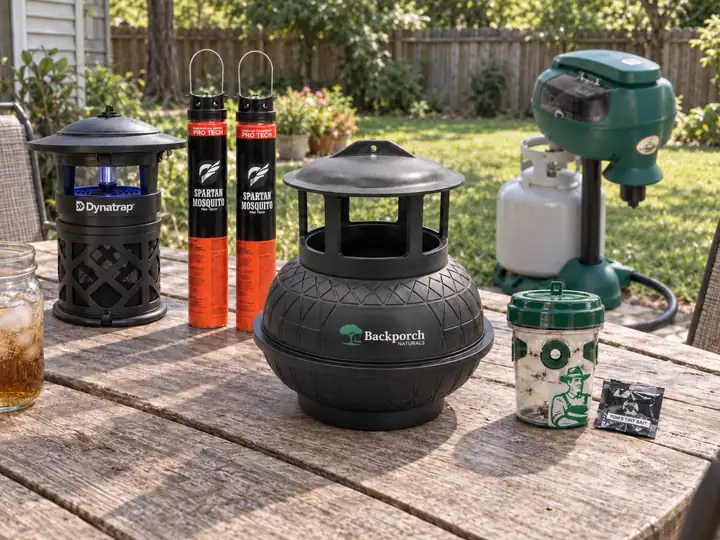
The strongest approaches target a useful part of the mosquito lifecycle, can be placed where mosquito pressure actually starts, and are simple enough to maintain month after month.
Catching adult mosquitoes is useful, but targeting larvae in breeding-style water addresses the problem earlier, before those mosquitoes become flying adults.
Mosquito pressure often comes from fence lines, shaded spots, greenbelts or nearby standing water. Spreading several smaller units around the perimeter can be more flexible than relying on one powered central device.
The fewer fuel tanks, catch baskets, bulbs and yard-wide reapplications you need to manage, the easier it is to keep a system running through the season.
Plant-derived ingredients may sound appealing, but the bigger question is whether there is evidence tied to the actual product and how it performs.
Most options can make sense in the right setting. The real question is how much equipment, fuel, placement friction or replacement product you want to manage.
A plug-in trap can only sit where a power source and useful placement overlap. That is different from building a perimeter around the yard.
Propane, attractants, nets, bulbs and catch baskets all add recurring maintenance to mosquito control.
If the whole device is replaced each cycle, recurring cost and waste can add up faster than a reusable Station with a small consumable refill.
We give extra credit to targeted, contained approaches that can do their job without broadcasting treatment across flowers, seating areas and the rest of the yard.
The Backporch value proposition is bigger than “no electricity.” What stands out is how the pieces work together: distributed perimeter placement, reusable hardware, contained plant-derived actives, monthly Pods and product-specific efficacy work. That combination is difficult for the other options here to match.
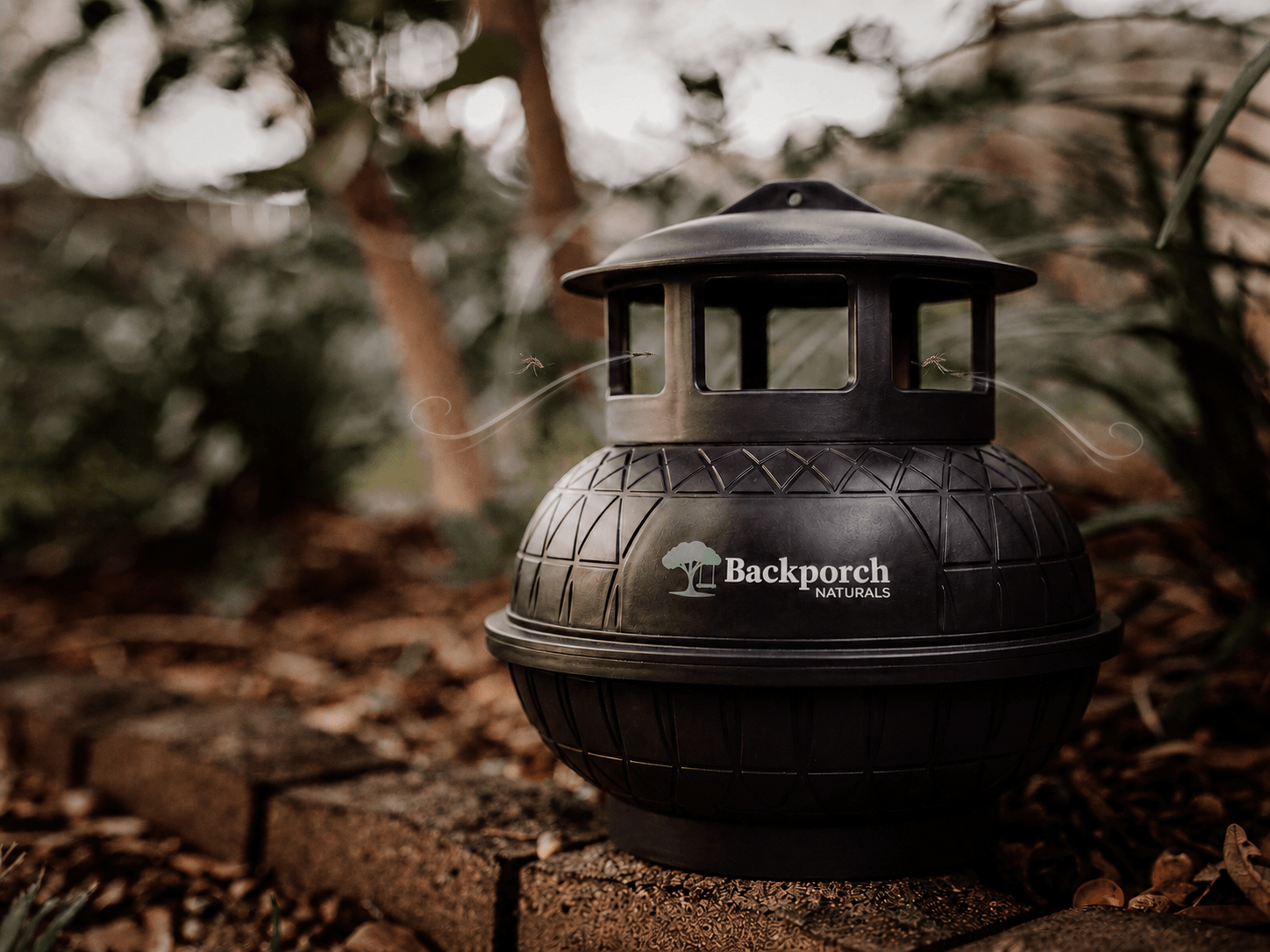
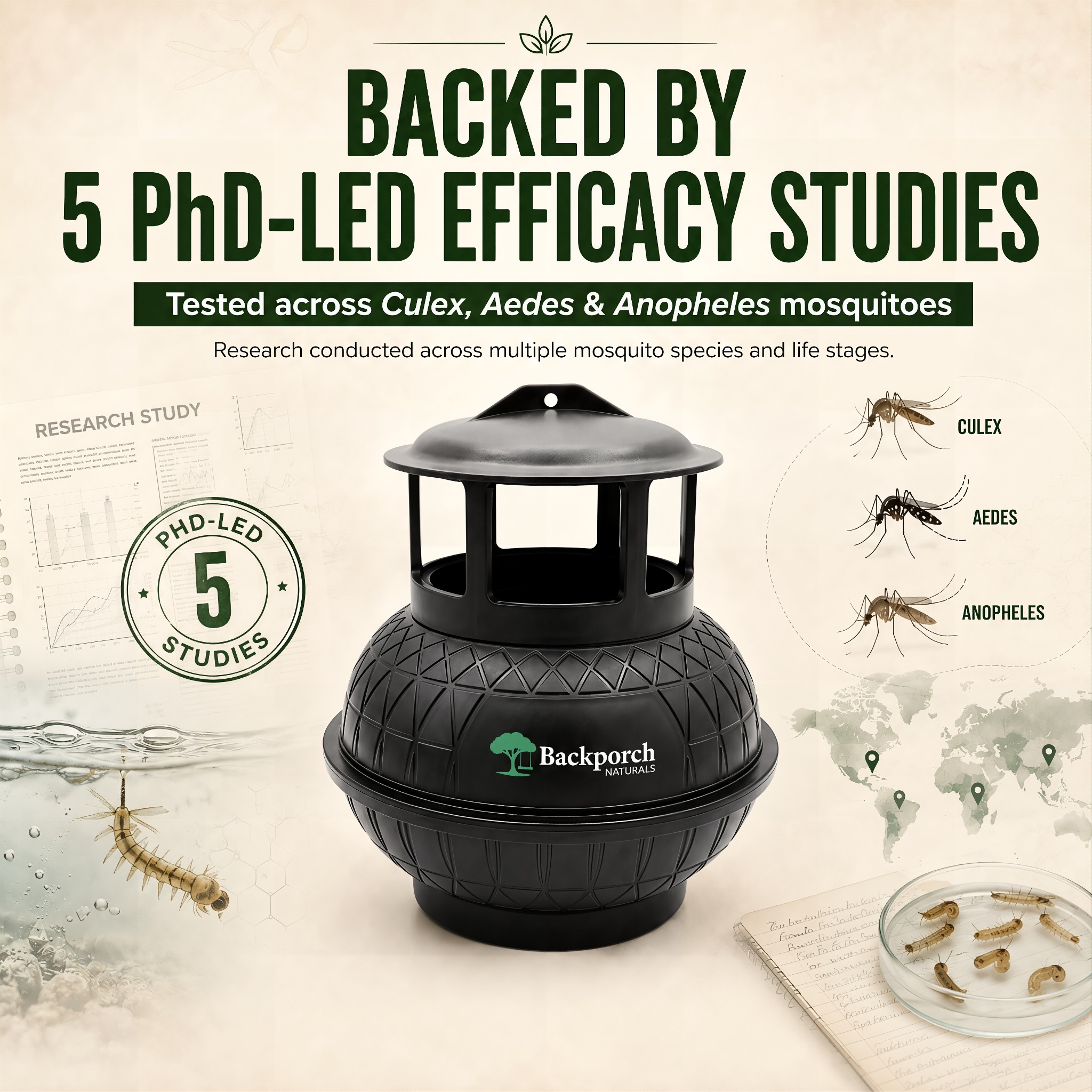
We ranked the products on mechanism, practical setup, ongoing effort, available product information, evidence and value.
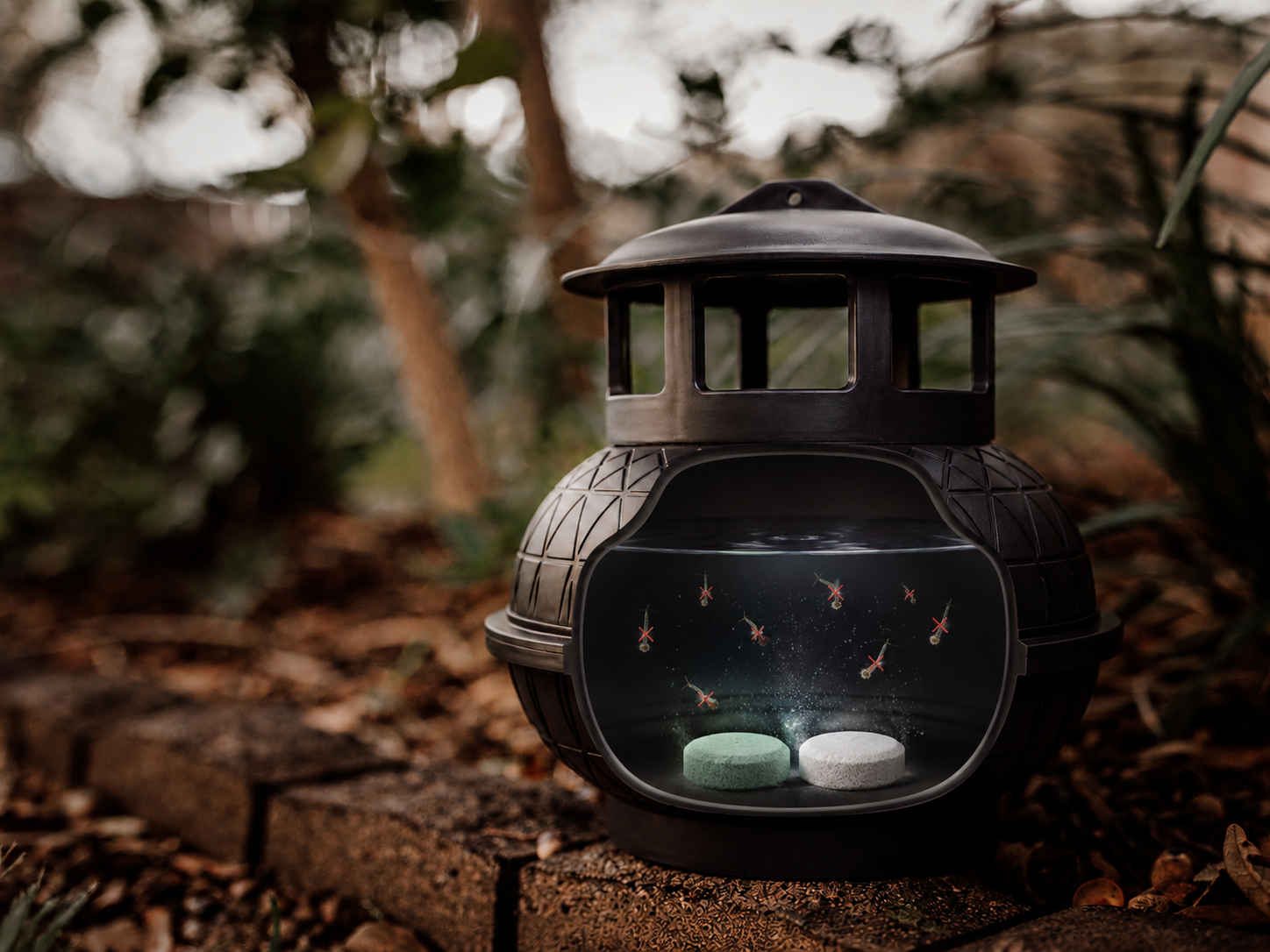
A strong option for homeowners who want ongoing mosquito control without turning the yard into a hardware display.
What makes Backporch stand out is how directly the design addresses common frustrations. Multiple reusable Stations can be spread around mosquito-prone edges without cords or tanks. The plant-derived actives stay contained in Station water, there is nothing to reapply across the yard after rain, and only the small Pod is replaced each month.
The other point we liked is the transparency around product-specific efficacy work. Backporch publishes testing tied to the system itself rather than relying only on the general reputation of ingredients like clove or garlic oil.

A classic choice for shoppers who prefer a powered, fan-based flying-insect trap.
If a traditional plug-in trap is what you want, DynaTrap is a solid option. It ranked below Backporch because power access, placement and catch-basket maintenance create more friction, while Backporch can be distributed around the yard without cords.

A straightforward no-electricity perimeter option, but one that depends on recurring tube replacement and specific placement rules.
Spartan solves the outlet problem, which is useful. Backporch moved ahead because its reusable Station format feels more like maintaining a yard system and less like replacing the whole device each cycle.
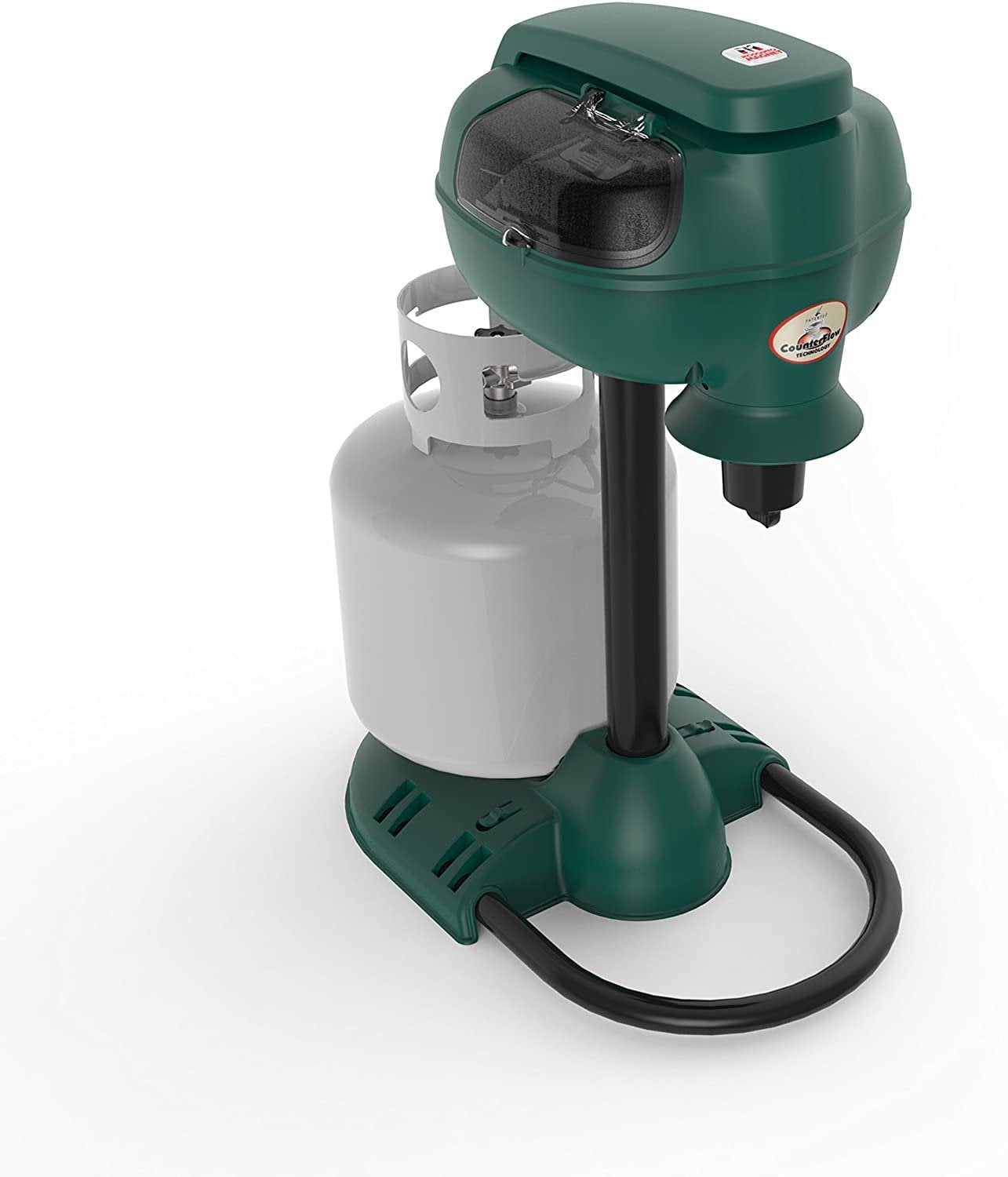
A serious adult-mosquito trapping system for someone willing to manage fuel, power and attractant supplies.
If you want heavy-duty equipment focused on adult mosquito capture and do not mind managing the supplies, Mosquito Magnet has a clear role. Backporch is simpler to live with because there is no tank, cord or large machine to manage.
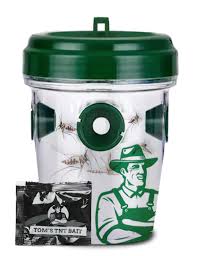
One of the simplest options to hang and relatively inexpensive to try, but it gives up some of the reusable-system and evidence advantages we preferred.
The simple hanging design is appealing. Backporch ranked higher because it keeps the no-electricity convenience while adding reusable Stations, product-specific efficacy work and a more systematic perimeter setup.
| Product | Main approach | Electricity | Recurring supply | Best fit |
|---|---|---|---|---|
| Backporch Naturals | Lifecycle-focused Station water | No | Pods | Low-maintenance yard system |
| DynaTrap | Light + fan capture | Yes | Bulbs / attractant / upkeep | Traditional electric trap |
| Spartan Pro Tech | Perimeter bait tubes | No | Replacement tubes | Large-yard perimeter placement |
| Mosquito Magnet | CO2 attraction + capture | Yes | Propane + attractant | Heavy-duty adult trapping |
| Mosquito TNT 2.0 | Hanging bait-style system | No | Refill / replacement cycle | Simple low-cost trial |
The biggest difference is not one flashy feature. It is how many common tradeoffs the system avoids at the same time.
Backporch turns the yard into a distributed perimeter system instead of relying on one trap in one location. Its actives stay contained in Station water, the Stations are reusable season after season, and there is no need to broadcast treatment across flowers or seating areas. Rain also does not create a need to reapply anything across the yard.
For a typical yard, the company recommends multiple Stations around the property, with one Pod per Station and a monthly reset.
We reviewed current manufacturer information, setup directions, pricing, maintenance requirements, customer feedback and available product-specific evidence. We did not personally run these five products in a controlled head-to-head backyard trial.